


More young people in Scarborough are seeking help for anxiety, depression, and self-harm, and a new program is stepping in to support those most at risk.
“I am learning new ways to handle situations and understand my problems,” says Alison.
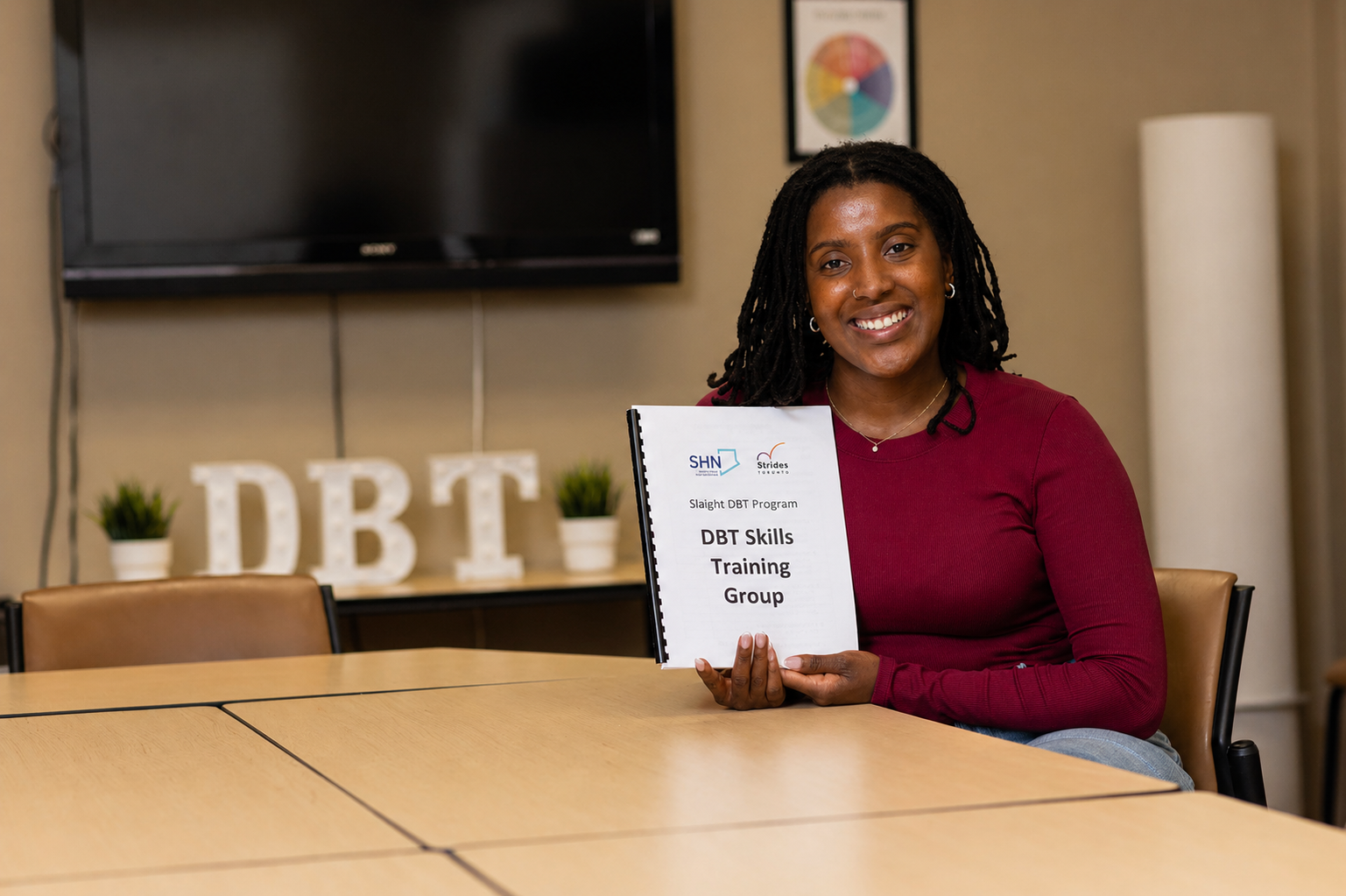
Through The Slaight DBT Program at Scarborough Health Network (SHN), Alison is gaining tools that many young people struggle to access.
The program is built around Dialectical Behaviour Therapy, or DBT, a skills-based form of talk therapy that helps people manage overwhelming emotions, reduce harmful behaviours, and respond to stress in healthier ways.
Launched in March 2024, it is the first comprehensive DBT program in Scarborough, bringing specialized mental health care to youth and young adults in the community.
Made possible through the generosity of The Slaight Family Foundation and delivered in partnership with Strides Toronto, the program supports young people at risk of self-harm or suicide with timely, accessible care close to home.
Since launching, the program has received more than 350 referrals and connected with more than 300 youth and young adults across Scarborough. Early results are already showing a meaningful impact. Among 96 youth participating in the program, emergency department visits dropped by 49%, and inpatient admissions fell by 46% within the first three months of treatment.
“This pattern suggests that access to the program is associated with meaningful reductions in emergency visits and inpatient admissions,” says Megan Cameron, Manager, Mental Health Program at SHN. "This service truly is changing lives of our youth."
For youth like Alison, The Slaight DBT Program offers a comprehensive model of care, including:
• Weekly individual therapy
• DBT skills group therapy
• 24-hour phone coaching from trained clinicians
• A six-week program to support families
“The program so far has been helpful and productive for me,” says Alison.
This Mental Health Week (May 4 to 8), SHN is highlighting the importance of expanding access to programs like this for youth in the community. The program is also supporting families as they navigate these challenges alongside their children.
“I like learning what my son is learning, and he is happy that I am participating in the Family Education Group,” said one parent in the program.
Another shared: “Thank you for giving hope to us as parents, for teaching us the language, and providing us with the resources to help. I am so grateful.”
Clinicians are also seeing the difference.
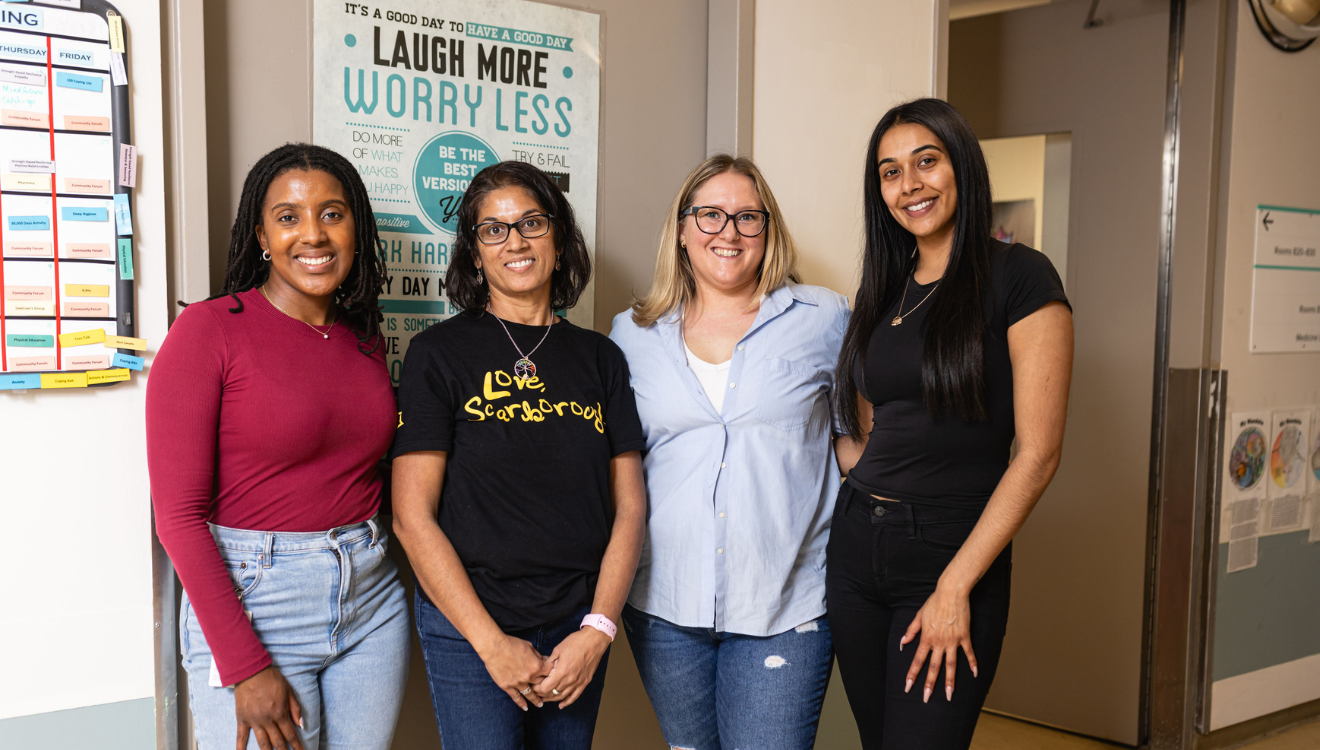
“Our transitional youth participants feel more able to respond to their emotions and moods and use the coping strategies and skills that they have learned,” says Emily Crocker, a social worker and DBT therapist at SHN. “They are telling us they feel more confident and able to validate themselves.”
Before the program launched, access to DBT in Scarborough was limited and often costly, leaving many families without options. Today, demand for the program continues to grow as more youth and families seek support close to home.
Because when young people are given the tools to cope, they are not just managing the moment. They are building skills that can last a lifetime.
And in Scarborough, more young people are getting that chance.
Learn more about how you can support mental health care programs at SHN.

Join our newsletter for updates on projectsand events.
