

.png)


Scarborough Health Network (SHN) has completed the largest dialysis expansion in its history, adding critical capacity so more patients can access life-saving care closer to home.
For thousands of patients living with kidney disease, dialysis is not optional, it's an essential treatment they depend on multiple times each week.
At Centenary Hospital, the new Ted Rogers Hemodialysis Unit opened in 2026, adding 21 new treatment stations and significantly increasing capacity in a modern, purpose-built space. Designed with input from patients and families, the unit features brighter treatment areas, enhanced privacy, improved staff facilities and advanced infection prevention measures. The space also includes eco-friendly water recycling technology and the flexibility to accommodate future advancements in dialysis care.
At General Hospital, the TD Hemodialysis Isolation Unit opened in December 2025, providing upgraded treatment stations and dedicated isolation spaces for higher-acuity patients. The new unit improves patient safety, enhances infection prevention and supports better outcomes for those requiring specialized care.
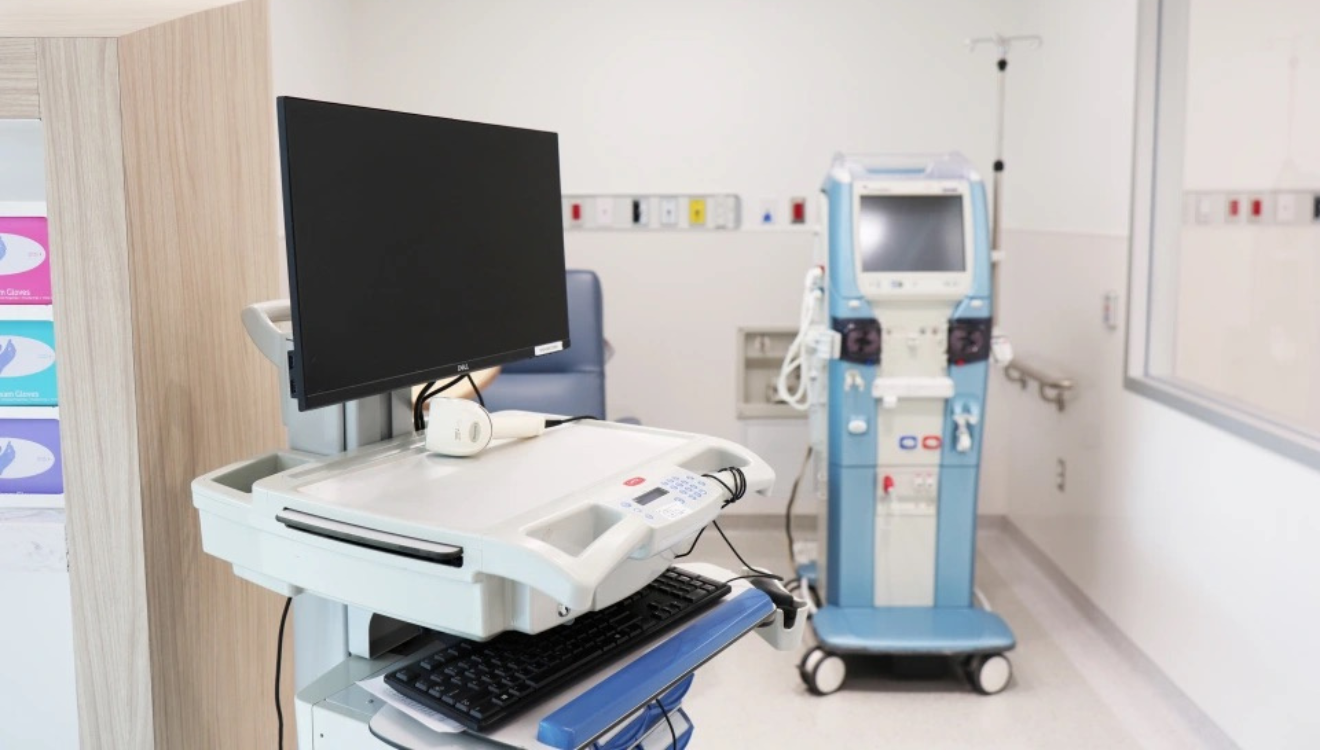
The new dialysis spaces were made possible through the generosity of donors to the Love, Scarborough campaign, whose support is helping expand critical healthcare infrastructure and transform care across our community.
Together, these investments are strengthening SHN's Regional Nephrology Program, the largest in North America. Each year, the program cares for more than 3,500 patients and delivers more than 96,000 dialysis treatments. Demand for life-saving dialysis continues to rise, driven by high rates of diabetes and chronic kidney disease across our community. These expansions directly respond to that growing need, ensuring patients can access vital care close to home.
The expansion comes at an important time. Research led by SHN nephrologist Dr. Tabo Sikaneta and published in BMJ Open found that country of birth is a stronger predictor of dialysis risk than ethnicity alone. The study showed that immigrants from the Caribbean, the Philippines and Sri Lanka are six to twelve times more likely to require dialysis than Canadian-born residents, placing them at significantly higher risk of end-stage kidney disease
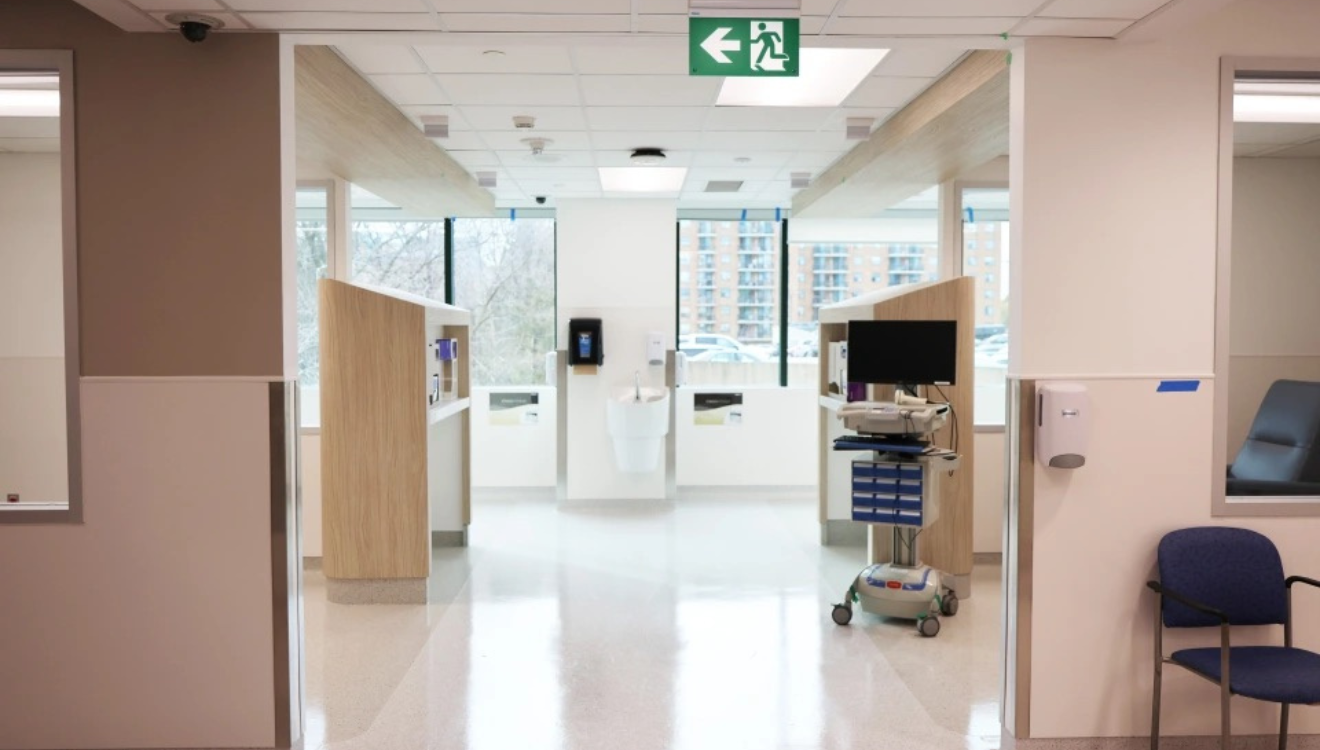
These findings are especially relevant in Scarborough, home to a large immigrant population. As SHN continues to expand access to dialysis treatment, this research is helping clinicians better understand who may be at greatest risk and where earlier intervention could make the biggest difference.
"Based on these results, we can start to think toward solutions, including redesigning kidney disease screening to be more targeted and effective," says Dr. Sikaneta. "We could set an example with earlier screening right here in Scarborough."
By expanding dialysis capacity today while advancing research and prevention strategies for tomorrow, SHN is taking a comprehensive approach to kidney care. These investments are helping ensure patients receive the treatment they need today while building a healthier future for generations to come.
Join our newsletter for updates on projectsand events.
